Vacation Rentals Thrive with Luminis Media Property Photography
A profitable vacation rental does not start with thread counts or square footage. It starts with attention. In crowded search results, the visual story you tell in the first three seconds decides whether a traveler clicks, scrolls, or bounces. Strong images are not decoration, they are distribution. Good photography widens the top of the funnel, improves perceived value, and removes friction later in the booking journey. That is why property managers and independent hosts who treat visuals as a commercial asset generally win on occupancy, rate, and reviews.
I have walked enough homes with owners to know the tension between practicality and polish. You worry about seasonality, dynamic pricing, and housekeeping schedules. You need bookings now. The quickest way to influence both speed and price is the media that introduces your listing to the market. This is where a specialized partner makes a measurable difference. Teams like Luminis Media understand vacation rental dynamics, not just camera gear, and the result is a media package that sets realistic expectations while highlighting exactly what sells nights.
Why vacation rentals need a different photographic eye
A home for sale is photographed to attract a one-time buyer. A vacation rental is photographed to attract hundreds of buyers each year. That difference changes what gets emphasized. You are not just showcasing a living room, you are selling how that living room feels at golden hour when the glass doors are open and the breeze carries a hint of salt. You are not just displaying square footage, you are signaling use cases: where the kids will crash after a beach day, where two couples can linger over wine without crowding, where a solo remote worker can take calls with a quiet backdrop. A Luminis Media real estate photographer who knows short term rentals builds a shot list around these scenarios.
Platform behavior supports this approach. On Airbnb and Vrbo, thumbnail images drive click through, and the first five images determine whether someone scrolls the gallery or pivots back to results. The early frames need to answer the unspoken questions a traveler brings. Is there enough daylight. Will I real estate photography spring tx have privacy on the patio. Is the kitchen really stocked for eight. With real estate photography Luminis Media aims the first frames at these questions, then gradually reveals details that handle objections. That order of operations is one reason listings shot by specialists hold attention longer and convert more efficiently.
Where the ROI shows up
Owners often ask how to quantify the return on new photography. The easiest place to see it is topline booking revenue and speed to book. After a reshoot, many managers notice browse to book conversion rates rise between 1 and 3 percentage points on their direct site, sometimes more on mobile if the previous images were dark or cluttered. That might sound small, but a one point lift against a thousand monthly session views creates real money in short order. Higher quality visuals also allow a rate test. Even a 3 to 5 percent increase in Average Daily Rate can outstrip the entire cost of a media package inside a few weeks of high season.
The benefits extend beyond rates. Better images tighten the gap between expectation and experience, which stabilizes reviews. You will not eradicate the occasional outlier, but you tend to see fewer comments about something being smaller or darker than expected. Guests who arrive feeling oriented are faster to settle, less likely to pepper you with arrival-day questions, and more likely to book a repeat stay. In revenue management terms, photography that shows seating counts, bed configurations, and outdoor flow gives you the confidence to hold rate on peak weekends, rather than discount out of anxiety.
I have seen a lake house that struggled at 58 percent annual occupancy jump to 72 percent within six months of rephotographing and rewriting the listing. Nothing else changed other than a modest furniture edit and a new hero sequence that led with the dock and firepit under a twilight sky. The owner did not believe the photos were the lever until the numbers told the story.
What makes a gallery that books
There is a difference between pretty and persuasive. Pretty leaves money on the table. Persuasive photography follows a plan that matches how guests evaluate space and amenities. The best galleries combine an honest portrayal of scale with purposeful staging. They favor clarity over gimmicks. They do not try to hide small rooms or pretend a studio is a one bedroom. They show why the compact space still functions beautifully for a weekend away.
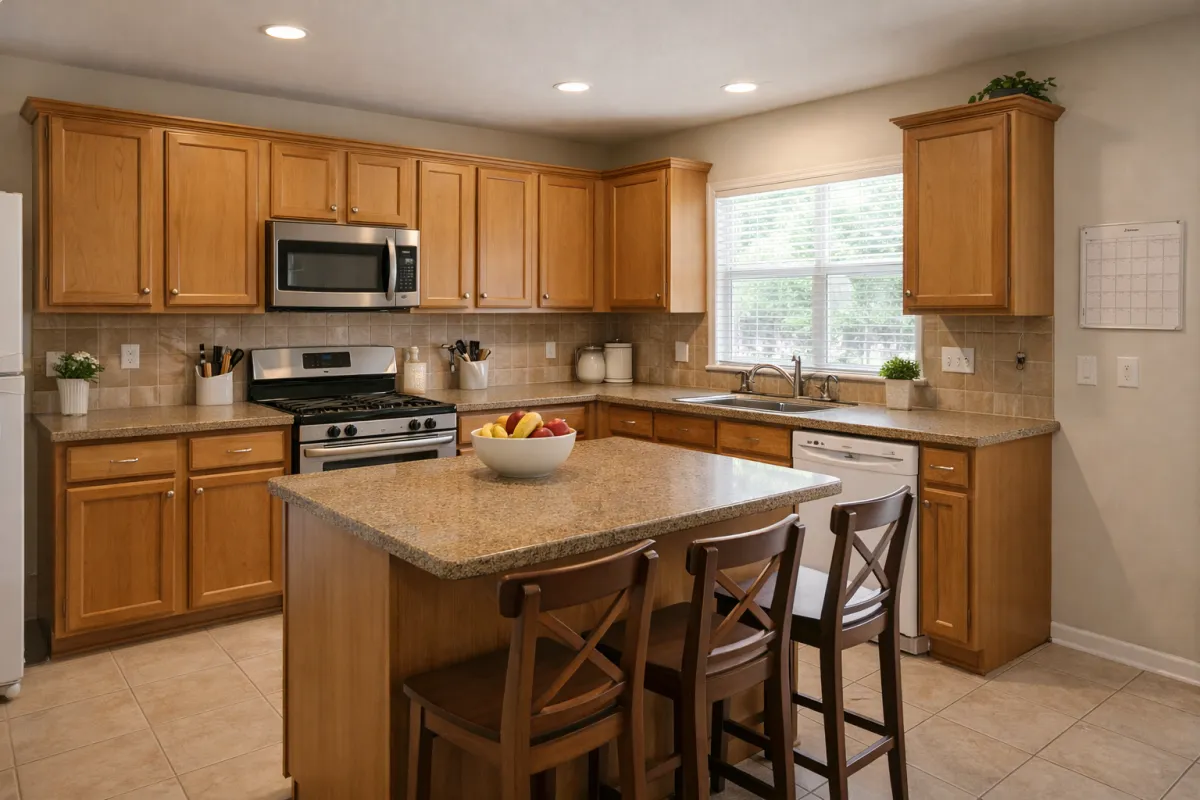
Luminis Media property photography leans into that approach. Instead of wide angle distortion that exaggerates depth, they balance focal lengths to maintain true proportions, then build the sequence around use. Kitchens are photographed to communicate prep surface and appliance quality, not to squeeze every cabinet into one frame. Bedrooms are lit to reveal nightstand usability, outlet access, and window coverage, because sleep quality drives reviews. Outdoor living receives as much attention as interiors, with careful timing to capture string lights, pool glow, and the last warm tones of sunset. You can see this in luminis.media real estate photography samples, where the primary deck shot shows both seating and view corridor, which tells a traveler more about night-time flow than a generic exterior.
The first five images, and why they matter
When guests triage search results, they scan hero images quickly, then either commit to the listing or bail out. The first five images act like a mini trailer. They need to cover sense of place, primary social space, signature amenity, sleep quality, and outdoor feel. If you hit those, your odds of deeper engagement increase sharply.
Consider a mountain cabin. Lead with the deck looking out to the treeline, then the great room with fireplace and sectional, the hot tub framed by string lights, the primary bedroom with layered textures and blackout drapes, and finally the kitchen with bar seating. Each image should be clean, composed, and oriented for mobile. Real estate photos luminis.media galleries often include one restrained, moody frame in this opening set if it serves the brand of the property, but only if the previous images have already done the explainer work.
When video tips the scales
Photography gets the click. Video can clinch the booking for higher ticket stays, larger groups, or unique properties. Luminis Media real estate videography is not a generic pan through rooms. It is a pacing exercise designed to answer the two or three hesitations that could prevent a deposit. If parking is tight but manageable, a short clip showing approach and unloading flow defuses anxiety. If the property sprawls, a quick overhead drone reveal provides orientation. If the big draw is a dock and paddle boards, footage of someone pushing off in morning light makes the promise feel tangible without a single line of copy.
Where budgets allow, pairing a one to two minute cut for the listing with a set of micro clips for social is smart. A vertical 12 second reel of the pool cascade or the coffee station next to a window seat has a long shelf life, and when you run paid social in shoulder season, those assets give you creative rotation for months. With real estate videography luminis.media, you are not buying a one time sizzle. You are building a library of modules that can plug into seasonal campaigns.
What platforms prioritize, and how to play to it
Airbnb and Vrbo each weight certain factors in search. You cannot control all of them, but your media does influence two that matter: click through rate from results and on page engagement. High quality thumbnails with contrast and clear lines snag more clicks. Once people land, scroll depth and time on page improve when the gallery is logically sequenced and supported by concise captions. You do not need to write a novel under every photo. You do need to label the second bedroom if it has a trundle and clarify that the patio is shared if your building has common space. That honesty protects reviews and future rank.
There is a quiet advantage for direct bookings too. Your site can host higher resolution imagery than platform listings, and it can include interactive elements like 3D tours without a clunky embed. I have seen direct sites convert significantly better on desktop once they added a 60 to 90 second walk-through. People clicking from an email campaign often already trust you. Give them one straight path to checkout with visuals that reassure, and you will see same day bookings arrive after dinner when families finally sit down together to decide.
The power of twilight and seasonal refreshes
If you have an outdoor space that lights up at night, a twilight set is worth the extra time. There is a mood to that window between sunset and full dark that still images capture beautifully, and it sells the evening experience. Fire pits, pool edges, bistro lights, the gentle glow from kitchen windows, all of it adds emotional weight. Luminis Media listing photography teams plan twilight sessions like a choreography, prelighting interiors and staging lanterns so the sequence moves efficiently as the sky changes. You have maybe 15 minutes for the sweet spot. Arrive late and you miss it.
Seasonal refreshes are another overlooked lever. You do not need to reshoot every quarter, but small updates help. If your mountain property looks one way under summer greens and completely different under a January powder coat, two galleries on your direct site will cover both angles. On beach rentals, swapping a few lead images to show spring blooms or a fall sunset signals an active, maintained property. Audiences sniff out stale. Real estate photography luminis.media often includes a discounted refresh rate for repeat clients, because they know small updates drive outsized returns.
Hands-on staging that respects operations
Owners sometimes fear professional staging will wreck turnover efficiency. It does not have to. A good on site team stages with restraint and respect for your standards. They will nest a throw and plump pillows, but they will not drag a sofa two rooms over if that breaks your housekeeping flow. They will set a breakfast tray by the window or place two wine glasses on the deck rail, but they will not create a fantasy version of the home that a guest will never encounter. The goal is not to invent, it is to clarify. Luminis Media property photography crews often carry a compact kit of textiles, neutral art, and a few practical props, and they coordinate with your manager beforehand to confirm what stays and what goes back in the bin afterward.
Accessibility, families, and the business traveler
Part of selling nightly stays is removing uncertainty for edge cases. Families want to see a high chair or travel crib and a place to stash strollers. Guests with mobility concerns want to understand entry steps, bathroom layouts, and whether thresholds are manageable. Business travelers want a desk with a comfortable chair, reliable lighting, and a photo that proves the outlet sits where they will need it. These are not afterthoughts. They are decision makers for entire segments. A Luminis Media real estate photographer attuned to vacation rental realities will frame these details in a way that reads quickly. A tight shot of a handrail next to a wide shot of the entry ramp. A close of the desk outlet bundled with a frame that shows the desk in relation to the window. You are telling micro stories that make people feel seen.
The copy and caption layer
Photography and video do most of the heavy lifting, but short, accurate captions help convert. They explain specifics images cannot. Two examples. “Primary suite, king bed, blackout drapes, en suite with walk in shower.” That line takes a guest from pretty to practical. Or “Parking for two compact SUVs, garage clearance 7 feet.” Now someone in a Sprinter van knows to ask, and someone in a crossover can relax. The teams behind luminis.media real estate photographer services typically gather these facts during the shoot, noting dimensions, sight lines, and anything that might cause confusion later. Your future self will thank you when support tickets spike on Fridays.
The metrics you should watch after a reshoot
If you invest in new visuals, track whether they work. The story shows up in four places. Click through rate on platform search, page engagement, booking conversion, and post stay review language. You should see more descriptive words like bright, exactly as pictured, and loved the outdoor space. You can also push a brief A or B test on your direct site, rotating the hero order or testing a twilight lead against a daytime lead. Even a small sample can show a pattern. If you run email or social ads, watch view through conversions the weekend after publishing a new gallery. Travelers tend to browse on weeknights and decide on Sunday. Your spike may not land on day one.
Pre shoot prep that prevents reshoots
Here is a compact checklist we use with owners who want to maximize a single shoot day.
- Replace all burned out bulbs, match color temperature across fixtures, and clean glass on pendants and windows.
- Minimize counter clutter, but leave functional items that photograph well, like a coffee machine with a few mugs or a simple fruit bowl.
- Steam bedding and drapes, tighten bed frames, and center rugs relative to furniture.
- Stage outdoor spaces with cushions, wipe down tables, and coil hoses or hide pool equipment.
- Provide a quick fact sheet for the team, including parking instructions, Wi Fi location, and any quirks like tricky sliders or smart blinds.
That list might feel fussy until you see the time it saves during the session. Every minute spent hunting a working bulb is a minute you do not have at blue hour when the best exterior frames happen.
A note on honesty and brand
Photography is not marketing if it breeds disappointment. It is manipulation, and the damage shows up in refunds and one star reviews that live forever online. Luminis Media real estate photos aim to set accurate expectations and then tip them slightly positive. If your second bedroom is a tight bunk room, photograph it square, include one close of the ladder and guard rail, and mention the ceiling height. If your yard is shared, a wide shot that shows the neighbor’s fence line, coupled with a caption that explains privacy hours, is better than a clever crop that avoids the issue. Guests appreciate candor. They book with confidence and they thank you later in their review.
The tone of your visuals should match the real estate photography promise of your place. A high end, design forward home can sustain moody, editorial lighting and tighter crops that celebrate materials. A cheerful beach cottage will perform better with bright, clean frames and a little whimsy in prop styling. That brand consistency carries into your social channels and paid campaigns, and it keeps your portfolio feeling cohesive as you expand.
Coordinating multi unit shoots for small portfolios
Property managers with clusters of similar units face a different puzzle. You cannot spend a day on each door, but you still need variety. The answer is to capture master shots that anchor the common floor plan, then inject unique touches that make individual listings feel distinct. One unit might have the jungle view, another the vintage chair, another the patio with the morning light. Luminis Media listing photography teams often map a building in advance, assigning a time window to each unit based on sun path, and rotating a few accent pieces to create differentiation without misrepresentation. The end product is a set of coherent galleries that share backbone shots and localized hero images, which maximizes coverage without inflating cost.
When to add 3D tours and floor plans
Interactive tours and floor plans are not mandatory for every property, but they help when your layout is non intuitive or you target longer stays. A loft with an open primary suite will generate fewer surprise complaints if guests can see the sight lines. A desert compound with three casitas needs a diagram. Luminis Media luxury real estate photography often bundles schematic floor plans with measured scans. Guests click once, understand where kids will sleep versus grandparents, and stop emailing follow up questions. For five figure weekly stays, that clarity is worth every penny. It also reduces the chance of last minute cancellations when a group realizes the sleeping arrangements will not work.
Pricing strategy, before and after the shoot
Do not shoot blind to your revenue strategy. If you plan to raise rates post shoot, stage for the rate you want, not the rate you have. That means elevating textiles, replacing a scratched coffee table, and swapping mismatched lamps. Photography can only do so much if the underlying pieces are tired. After the new gallery goes live, resist the urge to discount too quickly. Give the algorithms time to recalibrate around your improved click through, and watch for organic lift before you push promotions. On the direct side, refresh your paid search ad with the new hero image and test a new meta description that references the standout amenity you just emphasized. Real estate photos Luminis Media teams often hand over a short list of ad ready crops cropped to 1:1 and 4:5 to make this easy.
A realistic production timeline
Owners sometimes expect next day delivery. With a streamlined team, a single home shoot can be scheduled within a week in most markets, shot in half a day, and delivered within three to five business days. Add a twilight session and it likely bumps a day. Add video and plan for a week to ten days for the final cut, especially if you want multiple aspect ratios. Rushed edits create mistakes you will catch later, like a crooked frame or color temperature mismatch. With luminis.media listing photography and video combined, the handoff usually includes a shot map and caption suggestions so you are not guessing how to arrange the gallery.
A sample package for a three bedroom coastal home
For a typical beach rental that sleeps eight, you might commission a bundle that includes a 30 to 40 image stills set, a 60 to 90 second video, four to six drone stills if airspace allows, and a twilight mini set covering the deck and pool. That combination gives you enough to lead hard on platforms, maintain a robust direct listing, and drip social content all summer. If budget requires trimming, keep the still count high quality and drop drone before you drop twilight, unless your view is the primary sell. If you need to phase work, begin with stills and add video just before peak season starts. The run up gives you time to seed social and email with teasers.
Post production that respects color and truth
Editing is where many real estate images go sideways. Over brightened windows blow out the scene beyond, making a beautiful view look like a white sheet. Over saturated blues turn a normal pool unnatural. Good editors control dynamic range, maintain skin tone friendly color in spaces where people spend time, and keep verticals straight. Luminis Media real estate photography work typically preserves natural shadow, which keeps the sense of depth and avoids the flat, over HDR look that makes rooms feel fake. Small retouches remove scuffs or an outlet plate blemish, but they do not erase permanent features a guest will encounter.
A compact shot plan you can adapt
If you like process, build a simple shot plan that orients your team and ensures nothing critical gets missed.
- Exterior approach and entry, primary outdoor social space, and any view.
- Main living area with multiple angles that show seating counts and flow to the kitchen.
- Kitchen with a focus on prep areas, appliance quality, and dining configurations.
- Each bedroom with true scale framing, plus detail shots of storage and window coverage.
- Bathrooms with clear views of showers or tubs, plus one close of amenities like a handheld sprayer or bench.
That plan covers the backbone. Layer in micro vignettes that speak to your guest avatar, like a board game stack, a reading nook with a throw, or a ready to light fire pit. Keep props simple. The goal is to suggest use, not clutter the frame.
Choosing a partner and setting expectations
Not all photographers work the same. Ask about vacation rental experience specifically. Review full galleries, not just a highlight reel. Look for consistency between rooms and a sense of narrative from the first frame to the last. Clarify deliverables in writing. How many images, what resolution, how many vertical crops, how is licensing handled for platform listings versus paid ads. With a service like Luminis Media real estate videography, ask how they capture audio if you plan to add voiceover later, and whether they can deliver clean plates for text overlays. Better to negotiate this before the shoot than call in a favor after.
If you already manage multiple doors, explore volume pricing or a seasonal retainer. Luminis.media real estate photographer teams often reserve prime light windows for retainer clients, which can be the difference between a blah sky and a painterly one on your hero exterior. That priority matters when weather shifts, guests linger past checkout, or a vendor runs late.
The quiet compounding effect
Great visuals do not just lift today’s bookings. They compound over time. Your brand earns a reputation for accuracy and taste. Guests who trust what they see return and tell friends. Your email list grows faster because your sign up forms sit under pages people enjoy browsing. When you acquire a new property, you do not spend weeks inventing a style, you plug it into a familiar visual language. And when market conditions turn choppy, you still have the strongest storefront on the digital block.
Vacation rentals thrive when the promise matches the experience and the experience is framed in its best light. That is the work of thoughtful imagery. Whether you manage one cottage or a regional portfolio, investing in the right visuals is the rare move that helps everywhere at once, from platform rank to revenue to peace of mind. With Luminis Media real estate photography, you are not buying pictures, you are buying the way future guests will feel when they first meet your property. And that feeling, captured with craft and discipline, is what fills calendars.